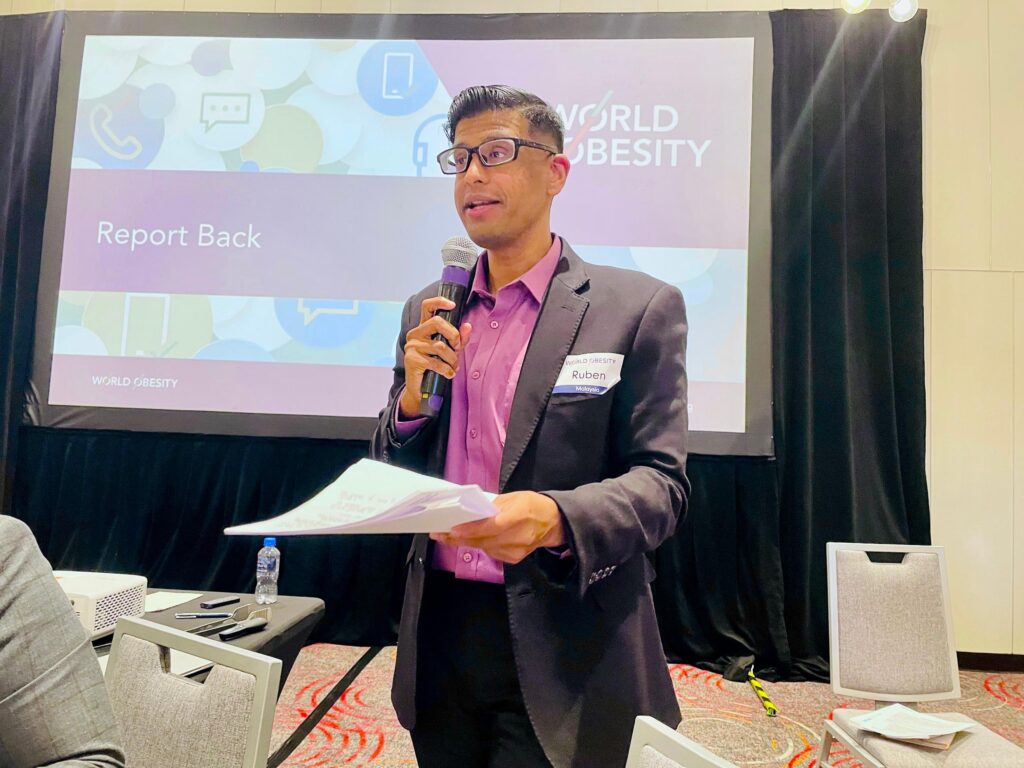
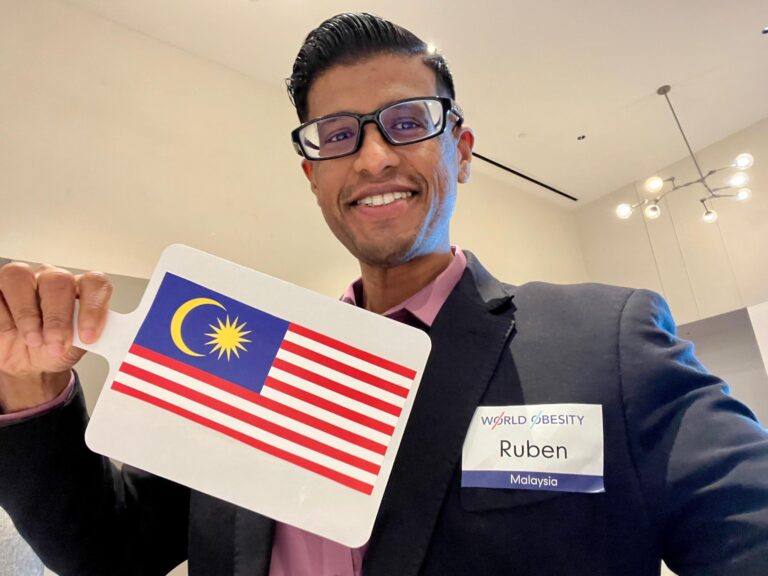
Dr Ruben Ramakrishnan represented the Malaysian Obesity Society (MyOS) at the first World Obesity Lived Experience Global Summit on 14 July 2026 and the International Congress on Obesity (ICO 2026) from 15 to 17 July 2026 in Mexico City, Mexico.
Convened by the World Obesity Federation (WOF), the landmark Summit brought together nearly 70 advocates with lived experience of obesity from 16 countries across Africa, Asia, Europe, Latin America, the Caribbean, North America and the Middle East.
Dr Ruben represented MyOS at both events and was the sole Malaysian representative at the Lived Experience Global Summit.
The Summit’s intended impact extended beyond the gathering itself. Participants were equipped to amplify the voices of people living with obesity, reduce stigma and advocate for obesity care to be integrated into Universal Health Coverage and other national health priorities.
Lived Experience as Evidence and Expertise
Dr Ruben participated not only as a public health medicine specialist and MyOS representative, but also as a person with lived experience of obesity.
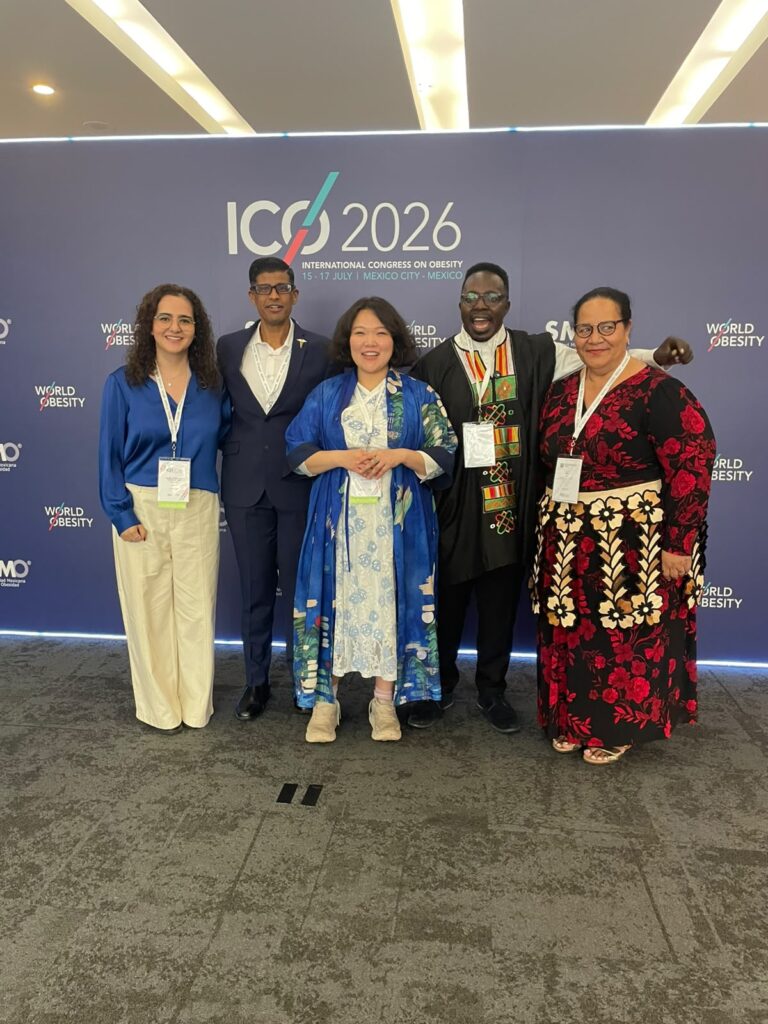
“The Summit reinforced that lived experience is more than a personal story. It is a valuable form of expertise that should influence how obesity research, policies, services and public communication are designed.”
A central principle emerging from the Summit was that lived experience should not be dismissed as merely anecdotal. It constitutes an important form of evidence that can reveal barriers and consequences that may be overlooked by conventional research or administrative data.
During ICO 2026, Dr Ruben participated in the Lived Experience Focus Group on Access to Care on 16 July.
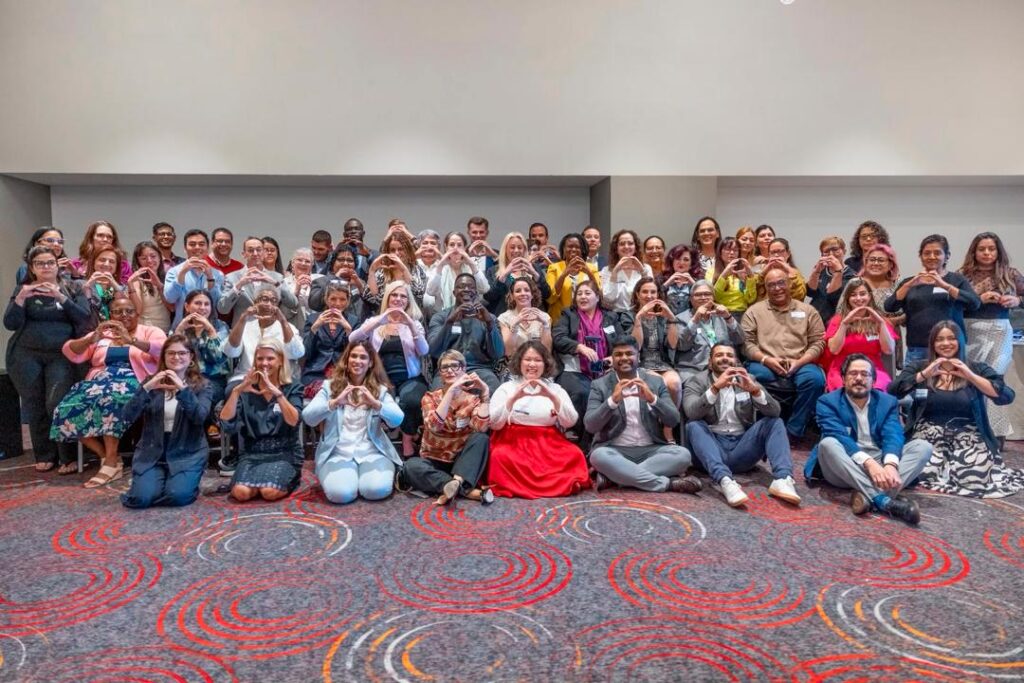
The discussion examined how evidence-based obesity treatment and support could be made accessible to everyone. Participants from different countries shared the practical, financial, social and health-system barriers experienced by people seeking care.
Drawing on the Malaysian context, Dr Ruben highlighted inequities in access to comprehensive obesity care, particularly the limited affordability and availability of newer pharmacological treatments. He emphasized that scientific advances must not widen existing health inequalities and that effective treatment should not be available only to those with sufficient financial resources. Progress in obesity care must therefore be accompanied by appropriate health policies, sustainable financing and stronger health-system support.
The perspectives shared during the focus group reinforced that access to obesity care is an issue of health equity, dignity and social justice.
Malaysia continues to face a substantial burden of obesity and relate noncommunicable diseases. Responding effectively requires more than encouraging individuals to modify their behaviour.
Obesity is influenced by interconnected biological, social, psychological, commercial and environmental factors. Malaysia therefore needs a comprehensive response that combines prevention, early identification, evidence-based treatment, long-term management and action on the wider determinants of health.
1. Embed lived experience in governance, policymaking and evidence generation by recognizing it as credible evidence and including people living
with obesity as equal partners in technical and decision-making bodies, research and programme development. Their experiences should inform actionable policy proposals through authentic, respectful and meaningful engagement.
2. Advance compassionate, coordinated and equitable obesity care by strengthening healthcare professionals’ capacity, linking prevention with
evidence-based treatment and long-term management, and incorporating obesity care into Universal Health Coverage and national health priorities.
3. Strengthen inclusive communication and meaningful participation by promoting respectful, accurate and non-stigmatizing communication, amplifying the diverse voices of people living with obesity, and removing financial, administrative, linguistic and technological barriers to participation.
“Representing MyOS and Malaysia was both a privilege and a responsibility. I returned with a stronger conviction that people living with obesity must have genuine influence over the systems intended to support them. Their participation must be meaningful, sustained and reflected in actual decisions.”